Gum Disease Treatment for Those with Frequent Gum Pain

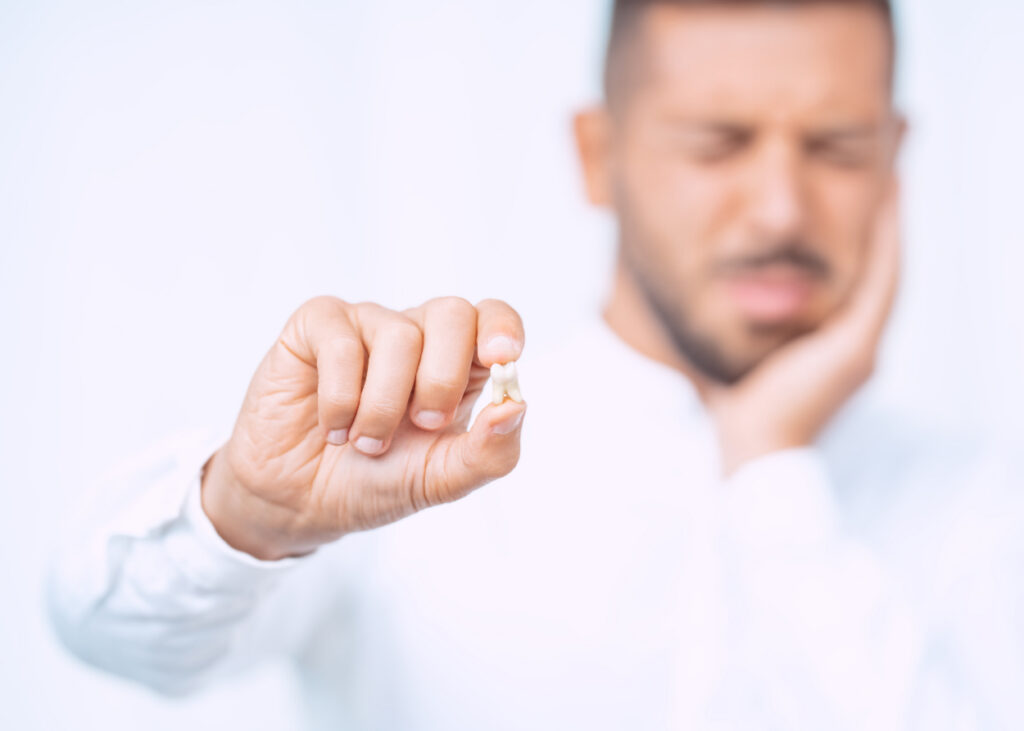
Frequent gum pain has a way of shrinking daily life. Eating becomes cautious. Brushing turns into a negotiation. Cold water stings, chewy food feels risky, and that dull soreness at the gumline can sit in the background all day, quietly draining your patience. Many people live with that discomfort for months before they ask for help, often because they assume it is normal sensitivity, a temporary irritation, or simply the result of brushing too hard.
Persistent gum pain deserves closer attention. While not every sore gum points to serious disease, recurring pain is one of the more common reasons dentists discover early or moderate gum disease. It can also signal gum recession, trapped food, clenching, mouth ulcers, or an abscess. The important point is this: gums usually do not hurt repeatedly without a reason. When they do, the best outcomes come from finding the cause early and matching treatment to it, rather than guessing with mouthwash and hoping it settles down.
Professional Gum Disease Treatment is not a single procedure. It is a spectrum of care that ranges from improved home cleaning and targeted hygiene visits to deep cleaning under the gums, local antibiotics, bite adjustment, and, in advanced cases, surgery. The right plan depends on what is actually happening below the surface, especially around the pockets where gum tissue meets the teeth.
Why frequent gum pain should not be brushed off
Healthy gums are firm, pale to medium pink depending on your natural tissue tone, and generally quiet. They may feel mildly tender after vigorous flossing if you have been neglecting it, but they should not throb, bleed often, or flare up around the same areas week after week. Recurrent pain usually means inflammation is active somewhere.
In practice, gum pain tends to show up in a few recognizable patterns. Some patients describe a burning soreness along several teeth when they brush. Others point to one swollen spot that keeps returning, often between two back teeth where food packs in. A third group complains of tenderness when chewing, especially on waking, which sometimes turns out to be a mix of gum inflammation and nighttime grinding. Those details matter because they shape the diagnosis.
Gum disease begins with plaque, a sticky film of bacteria that gathers constantly on teeth. If it is not removed thoroughly, it hardens into tartar, especially near the gumline. Plaque bacteria irritate the gums, producing gingivitis. At this stage, gums may look puffy, bleed easily, and feel tender. Gingivitis is reversible. If inflammation continues long enough, the attachment between gum and tooth starts to break down. That progression becomes periodontitis, the more serious form of gum disease. Once bone support is lost, the goal shifts from simple reversal to long-term control.
The challenge is that pain does not always match severity. Mild gingivitis can feel dramatic in one person, while advanced periodontitis can progress quietly with little pain until teeth loosen or an infection flares. That is one reason self-diagnosis often misses the mark.
What gum disease pain usually feels like
Pain from gum disease is often more specific than people expect. It is not always a sharp toothache. More commonly, it is soreness at the gum margin, tenderness when floss passes between the teeth, or a bruised sensation while chewing crusty bread or biting an apple. Some notice a metallic taste or bad breath that does not improve much after brushing. Others find blood in the sink most mornings and assume that bleeding is simply part of flossing.
When infection becomes more concentrated, the pain changes. A gum abscess can create a throbbing, swollen area that feels warm and tender, sometimes with a small pimple-like bump that drains fluid. That situation needs prompt attention because pressure and infection can spread quickly. A deep pocket beside a tooth may also trap debris, leading to repeated flare-ups in the same place. Patients often describe it as “the gum gets angry every few weeks.”
Recession can complicate the picture. When gums pull away from the teeth, exposed root surfaces become sensitive to cold, sweets, and brushing. People sometimes mistake that zinging sensitivity for gum disease pain alone, https://codynutt471.image-perth.org/the-science-behind-effective-gum-disease-treatment when in fact there are two issues at once: inflammation and exposed dentin.
The conditions that can mimic gum disease
Not all gum pain is periodontal disease, and good clinicians stay alert for the imitators. A popcorn hull or a shred of meat wedged between teeth can create striking tenderness within hours. Clenching or grinding can inflame the ligament around a tooth, making the surrounding gum feel sore. Hormonal shifts, especially during pregnancy or perimenopause, can make gums more reactive to plaque. Dry mouth from medications often worsens irritation because saliva no longer buffers bacteria effectively. Viral ulcers, canker sores, and certain autoimmune conditions can also make the gums ache or peel.
This is why a proper exam matters more than guessing from symptoms. Two people can report “sore gums” and need entirely different treatment plans.
How a dentist or periodontist finds the real problem
A thorough gum assessment is not glamorous, but it is remarkably informative. The clinician looks at color, contour, bleeding points, recession, plaque buildup, tartar deposits, tooth mobility, and the way the teeth meet when you bite. They measure periodontal pockets with a small probe. Depths of 1 to 3 millimeters are typically considered healthy if there is no bleeding. Four millimeters can be an early warning, especially with bleeding. Deeper pockets suggest attachment loss and the need for more involved Gum Disease Treatment.
X-rays help reveal bone levels around the teeth and show whether pain might be tied to something else, such as decay between the teeth or infection at the root. If one area is especially swollen or keeps recurring, the dentist may test the tooth’s nerve or check for a crack. In people with severe bad breath, widespread inflammation, and heavy tartar, the diagnosis is often straightforward. In localized, recurring pain, the detective work becomes more nuanced.
A good evaluation also includes questions that seem unrelated at first. Do you smoke or vape? Has your brushing changed because it hurts? Do you wake with a sore jaw? Are you taking medications that dry the mouth? Have you been diagnosed with diabetes? These details strongly influence how gum tissue behaves and how well it heals.
The first line of Gum Disease Treatment
When gum pain comes from gingivitis or early periodontal inflammation, the initial approach is usually conservative, precise, and highly effective when followed properly. The basic aim is to reduce the bacterial load above and below the gumline so the tissue can calm down and reattach as much as possible.
Most treatment starts with professional cleaning tailored to what the gums can tolerate. For mild disease, that may mean a meticulous prophylaxis and focused coaching on technique. For more established disease, the dentist or hygienist often recommends scaling and root planing, commonly called deep cleaning. This is different from a standard cleaning. Instruments are used to remove plaque and hardened tartar from beneath the gums, and the root surfaces are smoothed to make it harder for bacteria to cling.
Patients are sometimes surprised by how much relief a well-executed deep cleaning can bring. Inflamed gums can feel raw for a short time afterward, but once the bacterial trigger is reduced, the swelling and tenderness often improve noticeably over the next one to two weeks. Bleeding during brushing usually begins to drop as well, provided home care is consistent.
What deep cleaning actually involves
Scaling and root planing is often done by sections of the mouth, especially if multiple quadrants need treatment. Local anesthetic is commonly used because inflamed gums are sensitive. The appointment can take from about 45 minutes to two hours depending on the extent of buildup and the number of areas treated. Some practices complete the whole mouth in one longer session, but many prefer staged visits so tissues can heal and patients can manage post-treatment tenderness more comfortably.
Afterward, gums may feel sore, itchy, or tight. Cold sensitivity is common for a few days, especially where tartar had covered root surfaces. That sensitivity usually eases as the tissue settles. The more important marker is whether the gums stop bleeding so easily and whether that chronic “puffy” feeling starts to fade.
There is also an important trade-off to discuss honestly. Deep cleaning can control infection and reduce pocket depths, but it cannot regrow significant bone loss on its own. If disease has been present for years, the treatment goal is often stabilization rather than restoration to the exact original anatomy. That does not mean the outcome is poor. Stable, maintainable gums with shallow pockets are a real success, even if there has been some permanent recession.
When medication plays a role
Antimicrobial rinses, local antibiotic gels, or prescription-strength mouthrinses may be added in selected cases. They are helpers, not substitutes. If tartar and plaque remain attached under the gumline, mouthwash alone will not solve the problem. Still, medication can be useful when pockets are localized, inflammation is stubborn, or the patient is at higher risk because of smoking, diabetes, or previous periodontal breakdown.
Pain relief is a separate question. Over the counter anti-inflammatory medication may help temporarily if your physician says it is safe for you. Warm salt water rinses can soothe irritated tissue. Neither should be used as a reason to delay diagnosis if pain is frequent or worsening.
Cases where surgery becomes the better option
Some gums do not respond fully to non-surgical care, especially when pocket depths stay significant or the architecture of the bone creates areas that are hard to clean. In those situations, referral to a periodontist is sensible. Surgical Gum Disease Treatment can include flap surgery to gain access for deeper cleaning, regenerative procedures in carefully selected defects, gum grafting for recession, or extraction when a tooth can no longer be predictably maintained.
This sounds intimidating to many patients, but the decision is usually less dramatic than they imagine. It comes down to maintainability. If bacteria can keep recolonizing deep, inaccessible spaces, pain and inflammation tend to cycle back. Surgery aims to create an environment that can be kept clean long term.
The catch is that surgery is not always the first answer, and it is not always the right answer. A person with poor daily plaque control may undergo an advanced procedure and still relapse. Another patient with moderate disease and excellent habits may remain stable for years with deep cleaning and periodontal maintenance alone. Judgment matters more than the menu of procedures.
Home care that actually helps sore gums heal
People with frequent gum pain often start brushing less thoroughly because they are trying not to irritate the area. That instinct is understandable, but it can quietly worsen the problem. Inflamed gums need gentler technique, not abandonment.
The most useful home changes are usually the least flashy:
- Use a soft-bristled brush and angle it gently at the gumline, spending at least two full minutes.
- Clean between the teeth daily with floss, interdental brushes, or a water flosser if your clinician recommends one.
- Switch to an unabrasive toothpaste if root sensitivity is part of the problem.
- Rinse with warm salt water for short-term comfort if the tissue feels especially inflamed.
- Replace guesswork with follow-up, especially if the same area keeps hurting.
Technique matters more than force. A common mistake is scrubbing sideways with a medium or hard brush because the teeth feel “fuzzy.” That can inflame tissue further and contribute to recession. Electric brushes often help people because the motion is built in, which reduces heavy-handed brushing. Interdental brushes can be more effective than floss in larger spaces, particularly where papillae have receded.
Food choices also influence comfort while healing. Acidic snacks, alcohol-heavy mouthrinses, very spicy foods, and crunchy irritants can sting active inflammation. That does not mean you need a special “gum diet,” only a bit of common sense for a week or two while tissues recover.
The role of smoking, diabetes, stress, and dry mouth
Some of the hardest gum pain cases to stabilize are not about brushing alone. Smoking and vaping impair blood flow and healing, even when the mouth does not look dramatically inflamed. Diabetes, especially when not well controlled, increases susceptibility to infection and slows recovery. Stress tends to show up indirectly through clenching, skipped routines, immune effects, and drier mouth habits such as constant coffee sipping. Medications for blood pressure, depression, allergies, and many other conditions can reduce saliva, which gives plaque bacteria a real advantage.
This is where realistic care beats perfectionism. A patient who reduces smoking, improves blood sugar control, and returns regularly for maintenance often does better than a patient who chases miracle toothpaste while ignoring the larger drivers. Frequent gum pain usually has layers. Good treatment addresses the obvious layer and the hidden ones.
What improvement should look like
After appropriate Gum Disease Treatment, the first signs of progress are usually less bleeding, less swelling, fresher breath, and a cleaner sensation that lasts beyond the first hour after brushing. Tenderness should become less frequent and less intense. The gumline may tighten up around the teeth as puffiness resolves. For some, the teeth briefly look a little longer because inflamed tissue has shrunk back to a healthier position. That can feel alarming if you are not expecting it, but it often reflects healing rather than new damage.
What you should not ignore is pain that persists in one area despite treatment, sudden swelling, pus, fever, or pain on biting that feels deep inside a tooth. Those symptoms can point to a fracture, root infection, abscess, or a periodontal lesion that needs a different strategy.
When to seek prompt care
There are times when waiting for the next routine cleaning is a poor idea. Call sooner if you notice any of the following:
- gum swelling that makes it hard to chew or close your teeth comfortably
- a recurring boil or pimple on the gums
- spontaneous bleeding that is new or heavy
- persistent bad taste or drainage from one spot
- pain with fever, facial swelling, or a loose tooth
These signs suggest active infection or a more advanced problem. Same-week evaluation is wise. Facial swelling or fever should be treated as urgent.
Long-term maintenance is where results are kept
The part many people underestimate is maintenance. Gum disease is usually managed, not “cured forever” in the one-and-done sense. Once someone has had periodontitis, they remain more vulnerable to future breakdown if plaque control slips. That is why periodontal maintenance visits are often scheduled every three to four months rather than every six. The shorter interval is not arbitrary. It reflects how quickly bacterial communities can reorganize under the gums in susceptible patients.
These appointments are targeted. The clinician monitors pocket depths, bleeding points, home care effectiveness, and areas of repeated buildup. Small relapses are caught early, before they turn into the kind of sore, swollen flare that sends people searching for emergency appointments.
I have seen the difference this makes in everyday terms. Patients who used to come in only when the gums became painful often describe a cycle of crisis, relief, and neglect. Once they move to regular maintenance and stop waiting for pain as their signal, the pattern changes. They eat more comfortably, floss with less fear, and spend less money on urgent treatment. That is not glamorous medicine, but it is practical success.
A final practical perspective on frequent gum pain
If your gums hurt often, assume there is something specific to find rather than something vague to endure. The answer may be straightforward gingivitis, or it may be a deeper periodontal issue, a trapped-food problem, a bite issue, or a tooth problem masquerading as gum pain. The common thread is that repeated soreness is useful information.
The most effective Gum Disease Treatment is the one matched to the true cause and supported by habits you can actually maintain. That may mean a careful cleaning and better brushing technique. It may mean scaling and root planing, more frequent maintenance, and a tougher conversation about smoking or dry mouth. In advanced cases, it may mean periodontal surgery to create a mouth that can be kept healthy.
What matters most is not chasing the fastest temporary relief. It is lowering the inflammation enough that your gums stop interrupting your days, your meals, and your sleep. Healthy gums are usually quiet. If yours keep asking for attention, they are worth listening to.
Avra Dental
Address: 1708 S Victoria Ave B, Ventura, CA 93003
Phone number: +18057653206
FAQ About Gum Disease Treatment
Can I make my gums healthy again?
Yes, you can make early-stage gum disease completely healthy again, but advanced damage requires professional care to manage.
Can you cure gum disease?
You can cure early-stage gum disease, but advanced gum disease cannot be fully cured.
Can I live a normal life with gum disease?
Yes, you can live a normal life with gum disease, but it requires active, lifelong management to control the condition and prevent serious complications