Gum Disease Treatment Success Stories: How Healthy Gums Are Restored
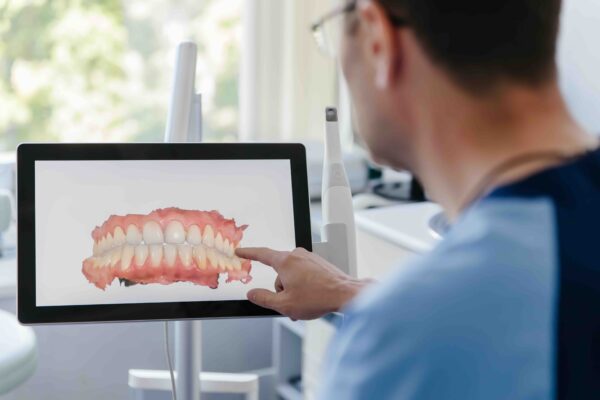

Gums rarely get much attention until they start bleeding into the sink. For many people, that first streak of pink during brushing feels minor, easy to ignore, almost routine. In practice, it is often the earliest visible sign that the tissues supporting the teeth are under stress. Gum disease can begin quietly, but once it advances, the effects become harder to dismiss. Bad breath lingers. Teeth feel different when chewing. Spaces open where none existed before. A smile that once felt effortless starts to look uneven or tired.
The encouraging part is that successful Gum Disease Treatment is not unusual. Dentists and periodontists restore gum health every day, often in mouths that looked far worse at the first visit than patients expected to admit. Healthy gums can return to a stable, comfortable state. Bleeding can stop. Inflammation can settle. Bone loss cannot always be reversed, but disease activity can be controlled, and further damage can often be prevented for years or decades with the right care.
What that restoration looks like depends on where the patient starts. A 28-year-old with early gingivitis does not need the same plan as a 62-year-old with deep periodontal pockets around several molars. Success also does not look identical for everyone. For one person it means eliminating bleeding and bad breath before a wedding. For another, it means keeping natural teeth that once seemed destined for extraction. For a third, it means getting the gums healthy enough to support implants, crowns, or long-delayed restorative work.
What successful treatment really means
Patients often imagine success as gums that look perfect, sit high and even, and never require attention again. Clinically, the goal is both simpler and more realistic. We want gums that are firm rather than puffy, pink rather than inflamed, and stable rather than progressively detaching from the teeth. We want reduced pocket depths, little to no bleeding on probing, manageable plaque levels, and a mouth the patient can actually maintain at home.
That last point matters more than most people realize. A treatment plan can be technically excellent and still fail if it asks the patient to do what their schedule, dexterity, or habits will never support. Good periodontists learn quickly that success is not just about removing tartar below the gumline or prescribing the right rinse. It is about finding a maintenance rhythm the patient can live with.
One of the most common misconceptions is that gum disease treatment is a single event. It is usually better understood as a turning point. There is an active phase, where infection and inflammation are brought under control, and then there is a maintenance phase, where stability is preserved. The best success stories are built in both phases.
The patient who thought bleeding gums were normal
A very typical early success story starts with someone in their thirties or forties who has brushed faithfully for years and still notices blood almost every morning. They are usually surprised to hear that this is not simply “having sensitive gums.” More often, it is gingivitis, the earliest stage of gum disease, caused by plaque accumulation at the gumline.
In these cases, the gums are irritated but the attachment and bone support may still be largely intact. Treatment is often straightforward. A thorough professional cleaning removes built-up plaque and calculus. Home care is adjusted, not in a dramatic way, but in a precise way. The patient learns to angle the toothbrush into the gumline, brush long enough, and clean between the teeth daily with floss or interdental brushes.
When patients follow through, the change can be fast. Within one to three weeks, bleeding often drops significantly. By the next recall visit, the tissue may look almost transformed. The gums are less shiny, less swollen, and less likely to bleed on contact. Breath improves because the bacterial burden has been reduced. Patients often say some version of the same thing: “I had no idea my gums could feel this comfortable.”
That kind of success can sound modest on paper, but it is important. Early treatment prevents a reversible problem from becoming a destructive one. In a busy clinical setting, some of the most satisfying wins are these early catches, because they spare the patient from ever needing more invasive care later.
When deep cleaning changes the trajectory
A different success story begins with moderate periodontitis. This patient may arrive after years without dental visits, sometimes from fear, sometimes from cost, sometimes because life simply pushed preventive care down the list. The signs are more obvious. There is bleeding during brushing, noticeable tartar, gum recession, and pockets that trap bacteria below the reach of an ordinary toothbrush.
At this stage, standard cleaning is usually not enough. The cornerstone of non-surgical Gum Disease Treatment is scaling and root planing, often called deep cleaning. The aim is to remove deposits from below the gumline and smooth the root surfaces so the tissue has a better chance to heal and reattach.
Patients are often nervous about the procedure because the name sounds severe. In reality, when done with proper local anesthesia and clear communication, it is generally well tolerated. The more important challenge comes after the appointment. Healing depends on meticulous plaque control during the following weeks, plus follow-up reevaluation to see which sites responded and which did not.
One memorable pattern in these cases is how quickly patients notice a reduction in soreness and bleeding, but how slowly confidence returns. Someone who has lived with chronic inflammation for years tends to assume their mouth will keep deteriorating. Then, at the reevaluation, pockets that measured 6 millimeters may shrink to 4. Bleeding scores improve. The tissues look tighter around the teeth. Suddenly, the idea of keeping those teeth no longer seems unrealistic.
This is where professional judgment matters. Some areas respond beautifully to non-surgical care. Others do not. A molar with deep furcations, where bone loss extends between the roots, can remain difficult even when front teeth improve dramatically. Honest treatment planning means celebrating the gains while being clear about the limits.
A case that needed surgery, and still ended well
Not every success story is simple. Some of the strongest examples involve patients who were told elsewhere that they might lose multiple teeth, then stabilized through a combination of periodontal therapy, surgery, and disciplined maintenance.
Consider the common scenario of a patient in their fifties with advanced periodontitis around the back teeth. They may have mobile teeth, drifting bite changes, and pockets in the 7 to 9 millimeter range in some sites. Initial deep cleaning helps, but a few areas remain infected and difficult to access. At that point, periodontal surgery may be recommended.
Surgery is not a failure of earlier treatment. It is often the logical next step when deep pockets or irregular bone contours prevent predictable cleaning. Flap surgery allows direct access to root surfaces and bony defects. In selected cases, regenerative materials may be used in an effort to rebuild lost support. Results vary depending on defect shape, smoking status, diabetes control, and daily hygiene, but meaningful improvement is absolutely possible.
Patients who do well after surgery often share two traits. First, they understand what the procedure can and cannot do. Second, they commit to maintenance. The surgical phase may reduce pocket depths and create a cleaner architecture, but those gains are fragile if follow-up lapses. When maintenance is consistent, the mouth often settles into a stable pattern that would have been hard to imagine at the first consultation.
I have seen cases where a patient expected extractions within the year, yet five years later the key teeth were still functional and symptom-free. That is not magic. It is careful diagnosis, realistic planning, and patient cooperation over time.
Why maintenance is where success is won
If there is one lesson that appears in nearly every durable success story, it is this: treatment works best when maintenance becomes routine rather than heroic. The bacterial biofilm that causes periodontal inflammation reforms constantly. There is no permanent reset button.
Patients with a history of gum disease usually do better on shorter recall intervals than the standard six months. Three to four months is common because it disrupts bacterial maturation before inflammation can regain momentum. These visits are not just “cleanings.” They are surveillance appointments. Pocket depths are reassessed. Bleeding points are checked. Areas of recession or furcation involvement are monitored. Home care is refined as the mouth changes.
The people who keep their gums healthy long term are rarely perfect. They miss an evening floss now and then. They travel. They get busy. But they return to the routine quickly, and they do not disappear from care for years at a time. That consistency often matters more than occasional bursts of ideal behavior.
The smoker who finally saw real healing
Smoking deserves its own discussion because it changes the way gums behave and heal. Smokers often present with less obvious redness and bleeding than non-smokers despite having more severe periodontal destruction. Nicotine alters blood flow and can mask visible inflammation, which creates a dangerous illusion that things are “not that bad.”
Treatment can still help smokers, but results are often less predictable. Deep cleaning may improve the tissues, yet residual pockets are more common. Surgery may succeed, but regeneration tends to be less favorable than in non-smokers. This does not mean treatment is pointless. It means expectations must be calibrated honestly.
Some of the most impressive success stories occur when periodontal therapy coincides with smoking reduction or cessation. I have seen patients who plateaued for months, then showed measurably better tissue response after quitting. The difference is not subtle. Less inflammation, better blood supply, more stable attachment, and a stronger prognosis overall. It is one of the clearest examples of how medical habits and dental outcomes are inseparable.
Diabetes, inflammation, and the patient who turned the corner
Another group that often surprises people is patients with diabetes. Poorly controlled blood sugar and gum disease tend to aggravate each other. Inflammation makes glycemic control harder, and hyperglycemia worsens periodontal breakdown and healing capacity.
Still, these cases can go very well when care is coordinated. A patient who begins with swollen gums, deep pockets, and an elevated A1C is not locked into that trajectory. Once periodontal infection is reduced and blood sugar control improves, the gums often respond more favorably. The timeline may be slower, and some tissues may remain vulnerable, but stability is entirely possible.
The strongest outcomes happen when the patient stops seeing their mouth as separate from the rest of their health. Better brushing alone is helpful, but better brushing combined with medical follow-up, hydration, tobacco avoidance, and regular periodontal maintenance is far more powerful. Gum health improves when the whole system improves.
What patients usually notice first
Clinicians measure treatment success with probes, radiographs, and clinical indices. Patients notice something more immediate. They notice whether brushing still tastes metallic. They notice whether floss shreds or https://maps.app.goo.gl/eVMwJJ9yZvqnPZvx9 slips cleanly between the teeth. They notice if food packs into open spaces, if breath feels stale by midday, or if a loose-feeling tooth becomes less distracting.
These subjective changes should not be underestimated. They are often what keeps patients engaged long enough for the objective healing to follow. When someone says, “My gums stopped bleeding after a week,” that matters. When they report chewing more comfortably on one side that had bothered them for months, that matters too. Clinical improvement and lived experience should line up. If they do not, something may still need attention.
Common elements behind good outcomes
The details vary, but successful Gum Disease Treatment stories usually share a handful of practical features:
- The diagnosis was specific, not vague. Gingivitis, mild periodontitis, and advanced periodontitis do not require the same approach.
- The initial bacterial load was reduced thoroughly, whether by routine cleaning, scaling and root planing, or surgery.
- Home care was customized to the patient’s mouth, not delivered as generic advice.
- Follow-up happened on time, allowing weak spots to be caught early.
- Risk factors such as smoking, diabetes, dry mouth, clenching, or poorly fitting dental work were addressed where possible.
That list may look basic, but in clinical work the basics separate temporary improvement from durable stability.
What restored gums can and cannot do
Restoration is not the same as turning back the clock. This distinction is important because patients can become discouraged if they expect damaged tissues to look exactly as they did at age twenty.
Inflamed gums often shrink as they heal. That is good from a health perspective, but it can reveal recession that was previously hidden by swelling. Teeth may look slightly longer. Black triangles between teeth may become more visible if bone support was already lost. The disease is controlled, yet the smile can look different. This is not treatment causing damage. It is treatment revealing the true anatomy after puffiness subsides.
On the other hand, restored gums often function far better than patients expect. A mouth with some recession but no active inflammation is usually healthier and easier to maintain than a swollen mouth that superficially appears fuller. In selected cases, cosmetic or grafting procedures may improve sensitivity or appearance once disease is stable. Timing matters. Cosmetic refinement should follow periodontal control, not replace it.
Questions that help patients judge whether things are improving
When patients are unsure whether treatment is working, I encourage them to focus on a few concrete markers:
- Is brushing producing less bleeding than it did a few weeks ago?
- Do the gums feel less tender, puffy, or itchy?
- Has bad breath improved when home care is consistent?
- Has the dental team shown fewer bleeding points or shallower pockets at reevaluation?
- Are maintenance visits becoming more predictable rather than more urgent?
None of these signs alone tells the whole story, but together they paint a reliable picture. Progress in gum health is often gradual, not dramatic. A patient may not feel “cured,” yet the tissue measurements, bleeding scores, and day-to-day comfort clearly move in the right direction.
The emotional side of recovery
There is another dimension to these success stories that does not show up on radiographs. Shame keeps many people away from care far longer than pain does. Patients apologize for the state of their mouths. They explain missed appointments, old fears, years of smoking, or periods of depression when self-care collapsed. A good periodontal team treats the disease without making the patient feel like the disease is a moral failure.
That matters because shame interferes with follow-through. Patients who feel judged often avoid reevaluation, even after an initially positive response. By contrast, patients who feel informed and respected are more likely to return, ask better questions, and stick with maintenance. In real practice, rapport is not a soft extra. It directly affects outcomes.
Many of the best transformations begin when a patient realizes that their condition is manageable. Once they understand the mechanics of the disease, the problem becomes less mysterious and less frightening. That shift alone can change behavior more effectively than a lecture ever will.
How clinicians decide the story is truly a success
From a professional standpoint, success is not declared on the day of treatment. It is seen over time. The tissues stay quiet. Pocket depths remain stable or improve. Bleeding is minimal. Bone levels on future radiographs do not show active progression. The patient can keep the mouth clean without constant discomfort. Restorative work, if needed, has a healthier foundation.
Sometimes the result is excellent control with all teeth retained. Sometimes it means extracting one hopeless tooth to preserve the rest. That is still a success if it improves long-term stability. Good periodontal care is not about saving every tooth at any cost. It is about preserving a healthy, functional dentition in the most predictable way available.
This is why honest case planning matters so much. Overpromising leads to disappointment. Underestimating what treatment can achieve leads to unnecessary tooth loss. The best clinicians work between those extremes, balancing optimism with evidence and experience.
Healthy gums are restored one decision at a time
The most convincing Gum Disease Treatment success stories are not dramatic because of one procedure. They are dramatic because small decisions accumulate. A patient books the overdue visit. The hygienist catches bleeding early. The dentist orders periodontal charting instead of watching and waiting. Deep cleaning happens before mobility worsens. Maintenance becomes routine. A smoker cuts back, then quits. A diabetic improves glycemic control. A patient who once avoided floss starts using interdental brushes every evening because they finally understand why it matters.
That is how healthy gums are restored in real life. Not through a miracle fix, but through timely diagnosis, appropriate treatment, and consistent care after the inflammation is gone. The gums become firmer. The bleeding stops. The teeth feel secure again. The patient smiles without wondering what is happening beneath the surface.
For people living with gum disease now, that outcome is more attainable than it may seem. Even mouths with significant damage often respond better than patients expect once the infection is addressed properly. The key is starting before more support is lost, then staying engaged long enough for healing to hold. Healthy gums are not just a cosmetic detail. They are the foundation that allows the rest of the mouth to work, last, and feel normal again.
Dental Group Of Beverly Hills
Address: 8641 Wilshire Blvd #125, Beverly Hills, CA 90211
Phone number: +13109296335
FAQ About Gum Disease Treatment
How to improve gum health quickly?
To improve gum health quickly, eliminate plaque buildup by brushing for two full minutes twice a day at a 45-degree angle to the gumline. Floss daily to clean under the gumline, and rinse with an antimicrobial, alcohol-free mouthwash. For immediate relief of soreness, use a warm saltwater rinse.
What is the fastest way to cure gum disease?
To quickly cure early-stage gum disease (gingivitis), eliminate the plaque buildup causing the inflammation. Brush gently but thoroughly for two minutes twice daily, floss daily, and use an antibacterial mouthwash or a warm saltwater rinse. However, if tartar has hardened, professional treatment is necessary.
How do I treat my gum disease at home?
You can treat early gum disease at home by practicing strict daily oral hygiene, rinsing with salt water or antibacterial mouthwash, and quitting smoking. True gum disease (especially advanced forms like periodontitis) cannot be fully cured at home once tartar forms, and you must see a dentist for professional cleanings.